
California Motorcycle Lane Splitting Laws: What Riders Need to Know
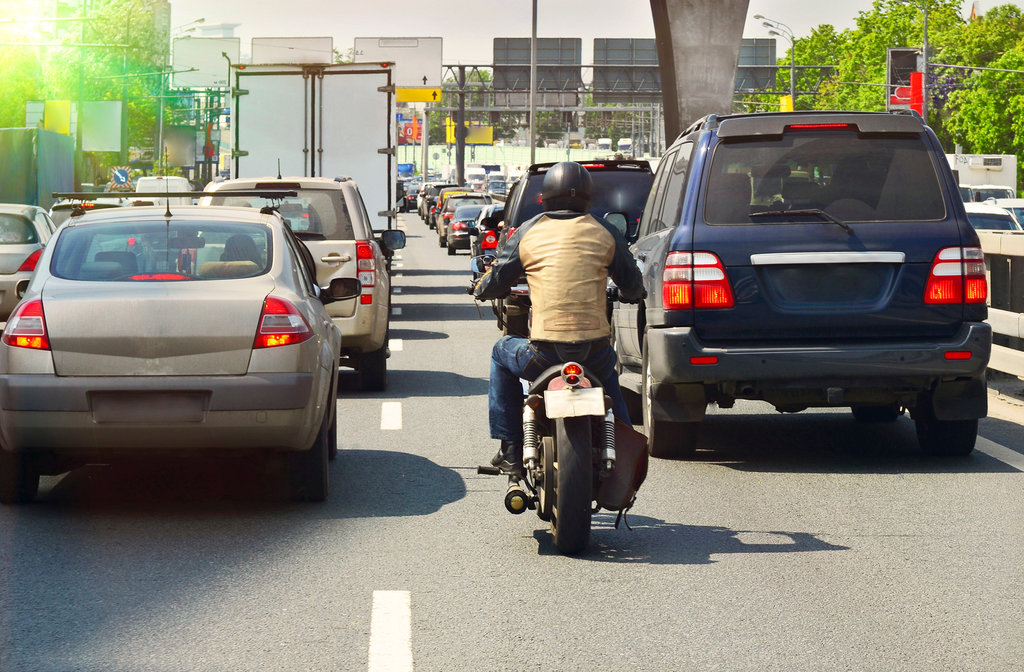
California’s busy highways and congested urban roads present unique challenges for motorcyclists. One practice that sets California apart from most other states is lane splitting—the practice of motorcyclists riding between lanes of slow-moving or stopped traffic. While this maneuver can help riders navigate through traffic more efficiently, it also comes with significant legal and safety considerations.
At NK Law Group, we understand the complexities motorcyclists face on California roads. Whether you’re a new rider or an experienced motorcyclist, knowing the current laws on lane splitting can help protect both your safety and your legal rights.
What Is Lane Splitting?
Lane splitting (sometimes called lane sharing or filtering) refers to the practice of a motorcyclist riding between lanes of traffic moving in the same direction. This typically occurs:
- When traffic is stopped or moving slowly
- On roads with at least two lanes traveling in the same direction
- In the space between adjacent lanes of vehicles
This practice differs from lane sharing (two motorcycles riding side-by-side in a single lane) and from illegal maneuvers like riding on the shoulder.
California’s Lane Splitting Law
California is the only state that explicitly legalizes motorcycle lane splitting. In 2016, California passed Assembly Bill 51, which formally defined lane splitting and authorized the California Highway Patrol (CHP) to develop safety guidelines for the practice.
Under California Vehicle Code Section 21658.1, lane splitting is legally defined as “driving a motorcycle between rows of stopped or moving vehicles in the same lane, including on both divided and undivided streets, roads, or highways.”
This legislation made California the first state to officially recognize and regulate lane splitting rather than prohibiting it or leaving it in a legal gray area.
Official Guidelines for Safe Lane Splitting
While lane splitting is legal in California, it must be done safely and responsibly. The CHP has developed guidelines that serve as best practices rather than enforceable laws. According to these guidelines, motorcyclists should consider:
- Traffic speed – Lane splitting becomes increasingly dangerous as overall traffic speed increases
- Speed differential – Riders should not travel more than 10 mph faster than surrounding traffic
- Environmental conditions – Weather, road surface, and lighting all affect safety
- Lane width – Narrow lanes increase risk
- Vehicle size – Large vehicles like trucks and buses create additional blind spots
- Escape routes – Riders should always have a path to avoid potential hazards
These guidelines help establish what might be considered “reasonable and prudent” behavior if a lane-splitting accident leads to litigation.
Common Misconceptions About Lane Splitting
Despite the law’s clarity, many misconceptions persist about lane splitting in California:
Misconception: Lane splitting is always safe if it’s legal
Reality: Legal doesn’t always mean safe. Even though lane splitting is permitted, riders must exercise good judgment about when and how to split lanes based on traffic conditions.
Misconception: Cars must move over for lane-splitting motorcycles
Reality: While drivers shouldn’t intentionally block motorcyclists, they aren’t legally required to move over to accommodate lane splitting.
Misconception: Lane splitting is allowed at any speed
Reality: While the law doesn’t specify speed limits for lane splitting, excessive speed differences can be considered reckless driving and may establish liability in an accident.
Liability in Lane Splitting Accidents
When accidents occur involving lane-splitting motorcyclists, determining liability can be complex. California follows comparative negligence principles, meaning multiple parties can share responsibility for an accident.
Factors that may influence liability include:
- Whether the motorcyclist was splitting lanes in a reasonable and prudent manner
- If a driver made an unsafe lane change without signaling
- Whether a driver intentionally blocked a motorcyclist
- If either party was distracted, impaired, or violating other traffic laws
In some cases, both the motorcyclist and driver may share responsibility, affecting how compensation is determined and distributed.
Safety Tips for Motorcyclists When Lane Splitting
For riders who choose to split lanes, following these safety practices can reduce the risk of accidents:
- Be especially vigilant for changing road conditions and driver behaviors
- Avoid lane splitting near freeway exits and interchanges where drivers make sudden lane changes
- Watch for opening car doors, especially in stopped traffic
- Wear high-visibility protective gear
- Use headlights even during daylight hours
- Avoid lane splitting when you cannot predict traffic flow
- Never lane split while impaired or fatigued
Remember that just because lane splitting is legal doesn’t mean it’s always advisable. Each rider must assess conditions and determine when lane splitting can be done safely.
Advice for Drivers Sharing the Road
Drivers also have responsibilities when sharing the road with motorcyclists who may be lane splitting:
- Always check mirrors and blind spots before changing lanes
- Use turn signals well in advance of lane changes
- Avoid distracted driving, which reduces awareness of motorcyclists
- Never intentionally block or impede a motorcyclist
- Maintain consistent lane position when motorcycles are present
By remaining aware and courteous, drivers can help ensure everyone’s safety on the road.
What to Do After a Lane Splitting Accident
If you’re involved in an accident while lane splitting, taking these steps can protect your health and legal rights:
- Seek immediate medical attention, even for seemingly minor injuries
- Report the accident to law enforcement
- Document the scene with photos if it’s safe to do so
- Collect contact information from witnesses
- Avoid making statements admitting fault
- Contact an experienced motorcycle accident attorney
Given the complexities of lane splitting laws and potential liability issues, having knowledgeable legal representation is particularly important in these cases.
Legal Support for California Motorcyclists
Understanding your rights as a motorcyclist in California can be challenging, especially when it comes to lane splitting. At NK Law Group, we have extensive experience representing riders throughout Alameda County and the surrounding areas, including Hayward and Fremont.
Our Hayward motorcycle accident attorneys understand the unique challenges motorcyclists face and how to effectively advocate for riders who have been injured due to others’ negligence, even when lane splitting was involved.
If you’ve been injured in a motorcycle accident while lane splitting, contact NK Law Group today at (510) 519-9497 or through our contact form to discuss your case and learn how we can help protect your rights.
EXPERTLY REVIEWED BY
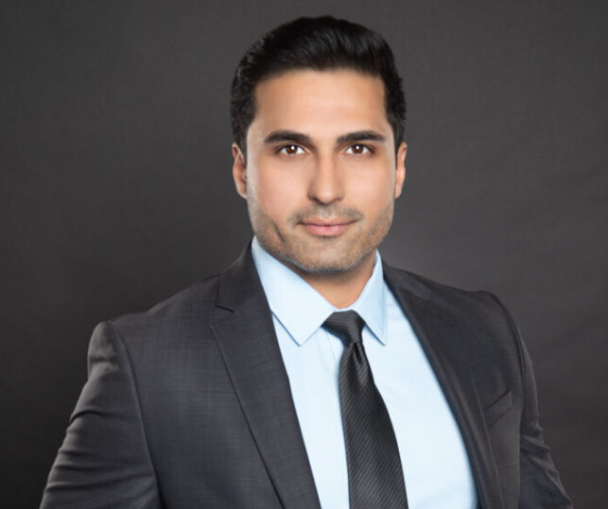
Naseer Khan, Esq.
October 21 2025
Top-rated personal injury attorney Naseer Khan, Esq. has over a decade of experience advocating for injury victims in California. As an award-winning attorney and a member of the American Association for Justice, Khan has a stellar track record of success and devotion to justice for his clients.