
How to Read and Understand Your California Police Accident Report
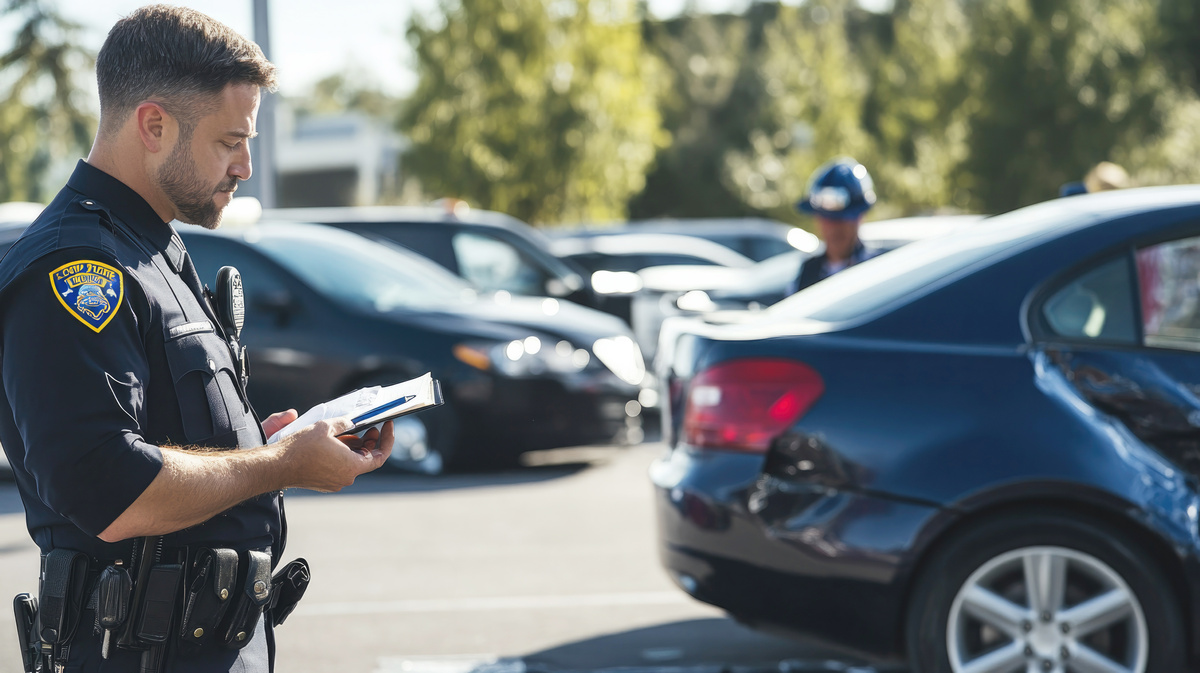
After being involved in a motor vehicle accident, you may find yourself staring at an official document filled with codes, abbreviations, and technical language that seems impossible to decode. The California police accident report contains crucial information about your case, but understanding what each section means can feel overwhelming when you’re already dealing with the aftermath of an accident.
NK Law Group understands how confusing these reports can be, especially when you’re trying to determine fault and gather evidence for a potential claim after your vehicle accident. Our experienced team helps accident victims navigate these complex documents and use the information within them to build strong cases for the compensation they deserve.
What Information Is Included in a California Police Report
California police reports follow a standardized format that captures essential details about your accident. The reporting officer documents the date, time, and location of the incident, along with weather conditions and road circumstances that may have contributed to the collision. You’ll find personal information for all drivers involved, including names, addresses, driver’s license numbers, and insurance details.
Detailed Narrative Section
The report also includes a detailed narrative section, in which the responding officer describes what happened based on their investigation. This narrative often contains witness statements, measurements of skid marks, and observations about vehicle damage. Understanding this section is particularly important because it often influences how insurance companies and courts view the accident.
Vehicle Information
Vehicle information takes up another significant portion of the report. Each car involved will have its make, model, year, and VIN listed, along with the estimated damage and whether the vehicle was towed from the scene. The officer may also note if any citations were issued as a result of the accident.
Decoding Diagrams and Codes
One of the most confusing aspects of the California police accident report is the diagram section. Officers use standardized symbols and codes to represent the accident scene, including road layouts, traffic signals, and vehicle positions. These diagrams may look basic, but they provide a bird’s-eye view of how the collision occurred and can be crucial evidence in determining fault.
Violation codes appear throughout the report using numbers that correspond to specific California Vehicle Code sections. For example, code 21453(a) refers to failing to stop at a red light, while 22350 indicates driving at an unsafe speed for conditions. These codes help identify which traffic laws may have been violated and can significantly impact your case.
The report may also include factor codes that describe contributing circumstances, such as driver inattention, mechanical failure, or road conditions. Weather and lighting codes provide additional context regarding environmental factors that may have contributed to the accident.
Key Sections That Impact Your Case
The fault determination section is perhaps the most critical part of the report for your potential claim. While insurance companies or courts don’t automatically accept police fault findings, they carry significant weight in negotiations. The officer’s opinion about who caused the accident is based on their training, experience, and investigation at the scene.
Witness information can be invaluable for your case. The report should include contact information for anyone who saw the accident. These independent accounts can provide crucial support for your version of events, especially if the other driver disputes fault.
The injury section documents the medical attention provided at the scene and lists any individuals who were transported to the hospital. Even if you initially declined medical treatment, this section helps establish a timeline and can be important if symptoms develop later.
Common Mistakes and How to Address Them
Police reports aren’t infallible documents, and errors can occur during the hectic aftermath of an accident. Officers work quickly to gather information, and sometimes details get mixed up or omitted entirely. Common mistakes include incorrect personal information, wrong insurance companies, or inaccurate descriptions of how the accident happened.
If you notice errors in your report, you can request corrections through the law enforcement agency that filed it. However, some agencies only correct factual errors like names and addresses, not the officer’s conclusions about fault or the sequence of events.
Missing information presents another challenge. If important details were left out or witness statements weren’t included, you may need to gather this evidence independently. Taking your own photos, getting contact information from witnesses, and documenting your injuries can help fill gaps in the official record.
Contact NK Law Group for Help with Your Accident Report
Understanding your California police accident report is just the first step in building a strong case for the compensation you deserve. NK Law Group has extensive experience analyzing these complex documents and using the information within them to hold negligent drivers accountable. Our team knows how to identify the most critical details in your report and can spot errors that might hurt your case.
Don’t let confusion about your police report prevent you from getting the justice you deserve. NK Law Group charges nothing up front and only gets paid when you get paid, so there’s no financial risk in getting professional help. Call us at (510) 519-9497 or contact us today for a free consultation about your accident case.

EXPERTLY REVIEWED BY
Naseer Khan, Esq.
September 10 2025
Top-rated personal injury attorney Naseer Khan, Esq. has over a decade of experience advocating for injury victims in California. As an award-winning attorney and a member of the American Association for Justice, Khan has a stellar track record of success and devotion to justice for his clients.