
What to Do If You Suffer Injuries in a Self-Driving Car Accident?
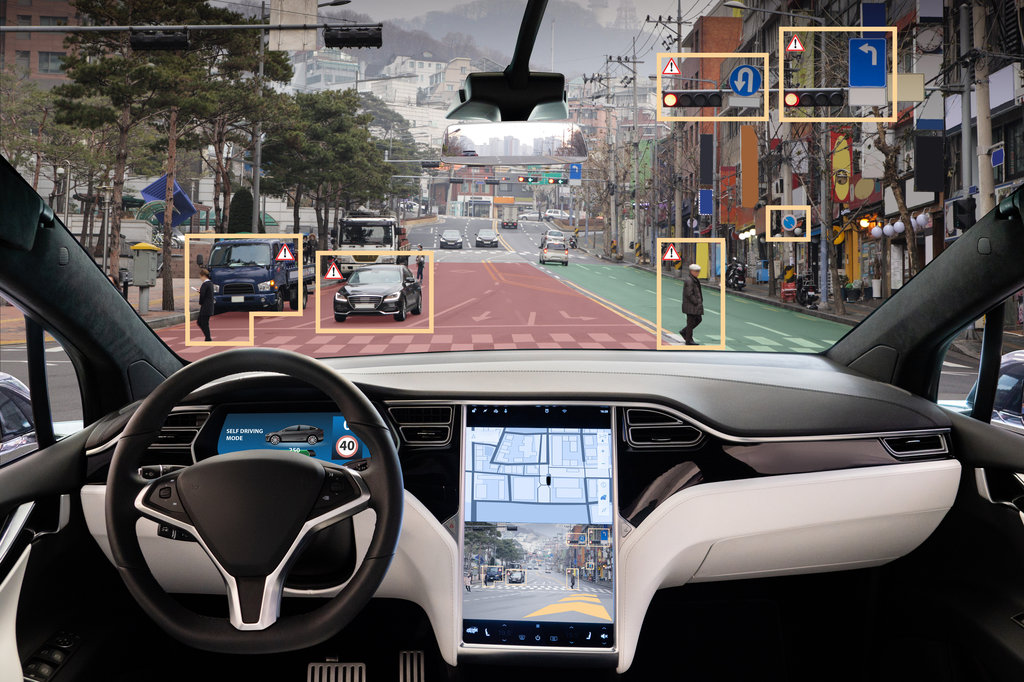
When advanced technology meets the unpredictability of real-world driving, the result can be both remarkable safety improvements and complex legal challenges. Self-driving cars promise to reduce human error on the roads, yet when accidents occur involving these autonomous vehicles, victims may find themselves navigating uncharted legal territory with questions about liability, compensation, and their rights as injured parties.
NK Law Group understands the unique complexities surrounding autonomous vehicle accidents and the confusion victims face when determining fault and ensuring our clients are entitled to compensation. Our team of Fremont car accident lawyers has the knowledge and experience to handle these emerging cases, ensuring that injured parties receive the guidance they need during this challenging time.
Understanding Self-Driving Car Technology and Accident Scenarios
Self-driving vehicles operate using sophisticated sensors, cameras, and artificial intelligence to navigate roads without human intervention. However, these systems are not infallible, and accidents can occur due to software malfunctions, sensor failures, or limitations in the technology’s ability to respond to unexpected situations.
Common scenarios that lead to autonomous vehicle accidents include sudden weather changes that affect sensor accuracy, construction zones with altered traffic patterns, and interactions with pedestrians or cyclists behaving unpredictably. The vehicle’s autonomous system may also struggle with complex intersections or situations requiring human judgment and intuition.
Determining Liability in Autonomous Vehicle Cases
Unlike traditional car accidents, where driver error is often the primary factor, self-driving car accidents present multiple potential sources of liability. The vehicle manufacturer may bear responsibility for defective technology or inadequate safety systems. Software developers could be liable for programming errors or insufficient testing protocols.
In some cases, the human operator may still hold responsibility, particularly if they were required to monitor the vehicle and failed to intervene when necessary. Additionally, other drivers, pedestrians, or even road maintenance entities might contribute to the accident through their actions or negligence.
Immediate Steps After a Self-Driving Car Accident
Your safety and well-being should be the immediate priority following any vehicle accident. Seek medical attention promptly, even if your injuries seem minor, as some conditions may not manifest symptoms immediately. Contact emergency services to ensure proper documentation of the incident and any necessary medical response.
Document the accident scene thoroughly by taking photographs of vehicle damage, road conditions, and any relevant traffic signs or signals. Collect contact information from all parties involved, including witnesses who observed the incident. Request a copy of the police report, as this official documentation will be valuable for any future legal proceedings.
Preserving Critical Evidence
Self-driving car accidents require preservation of unique types of evidence that may not apply to traditional vehicle collisions. The vehicle’s data logs, sensor recordings, and software performance metrics can provide crucial insight into what occurred leading up to the accident. This information typically remains stored in the vehicle’s computer systems for a limited time.
Contact the vehicle manufacturer or your legal representative immediately to ensure this electronic evidence is preserved before it is automatically deleted or overwritten. Video footage from nearby security cameras or traffic monitoring systems may also capture important details about the accident sequence.
Navigating Insurance and Compensation Claims
Insurance coverage for autonomous vehicle accidents can be significantly more complex than traditional auto claims. Multiple insurance policies may apply, including the vehicle owner’s personal auto insurance, the manufacturer’s product liability coverage, and potentially the software developer’s professional liability insurance.
Your insurance company may initially treat the claim as a standard auto accident, but the presence of autonomous technology introduces additional factors that require careful evaluation. Be prepared to provide detailed information about the vehicle’s operating mode at the time of the accident and any warning messages or system alerts that may have occurred.
Working with an attorney experienced in autonomous vehicle cases can help ensure that all potential sources of compensation are identified and pursued appropriately. These cases often involve substantial investigation and expert testimony to establish the cause of the accident and determine appropriate liability.
Protect Your Rights After an Autonomous Vehicle Accident
Self-driving car accidents represent a new frontier in personal injury law, requiring specialized knowledge and experience to navigate successfully. NK Law Group is committed to staying current with the evolving technology and legal landscape surrounding autonomous vehicles. Our team works diligently to investigate these complex cases and pursue maximum compensation for our clients’ injuries and losses.
If you have been injured in a self-driving car accident, contact us at (510) 519-9497 or through our contact form to discuss your case and learn about your legal options.

EXPERTLY REVIEWED BY
Naseer Khan, Esq.
October 21 2025
Top-rated personal injury attorney Naseer Khan, Esq. has over a decade of experience advocating for injury victims in California. As an award-winning attorney and a member of the American Association for Justice, Khan has a stellar track record of success and devotion to justice for his clients.